The Rise of Sustainable Water Recycling and Reuse: A Game-Changer for Water Conservation
The Rise of Sustainable Water Recycling and Reuse: A Game-Changer for Water Conservation
The world is facing a water crisis, with over 2 billion people living in water-scarce areas and the global demand for freshwater expected to outstrip supply by 40% by 2030. Traditional methods of water treatment and supply have become increasingly unsustainable, leading to a growing focus on sustainable water recycling and reuse. This innovative approach to water management involves treating and reusing wastewater, greywater, and other non-potable water sources, providing a reliable and sustainable source of water for various applications.
Sustainable water recycling and reuse is not a new concept, but recent advancements in technology and policy have made it more accessible and appealing to communities around the world. In fact, the global water reuse market is expected to grow from $17.6 billion in 2020 to $30.4 billion by 2027, at a compound annual growth rate (CAGR) of 8.4%. This trend is driven by increasing awareness of water scarcity, growing concerns about water quality, and the need for cost-effective and reliable water supply solutions.
Benefits of Sustainable Water Recycling and Reuse
The benefits of sustainable water recycling and reuse are numerous and compelling. Some of the key advantages include:
*
Water Conservation
Sustainable water recycling and reuse reduces the demand on potable water sources, conserving water for drinking, agriculture, and industry. This is particularly important in areas where water scarcity is a significant issue.
*
Reduced Energy Consumption
Water treatment and pumping are energy-intensive processes, and reusing water reduces the need for these activities, resulting in significant energy savings.
*
Improved Water Quality
Sustainable water recycling and reuse involves treating wastewater to remove pollutants and contaminants, producing water that is safe for non-potable uses.
*
Cost Savings
Reusing water reduces the need for new water sources, treatment plants, and infrastructure, leading to significant cost savings for communities and businesses.
*
Increased Food Security
Sustainable water recycling and reuse enables the production of high-value crops in water-scarce areas, increasing food security and reducing the impact of droughts on agriculture.
Technologies and Strategies for Sustainable Water Recycling and Reuse
Several technologies and strategies are employed in sustainable water recycling and reuse, including:
*
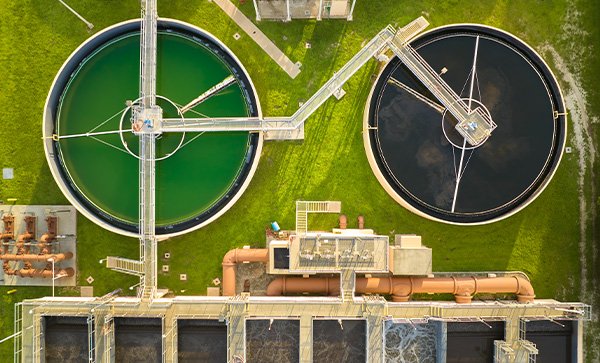
Physical and Chemical Treatment
Processes such as filtration, sedimentation, and chemical disinfection are used to remove contaminants and pollutants from wastewater.
*
Biological Treatment
Microorganisms are used to break down organic matter and remove nutrients and other pollutants from wastewater.
*
Membrane Bioreactors (MBRs)
MBRs combine physical and biological treatment processes to produce high-quality water for reuse.
*
Decentralized Water Reuse
Decentralized systems use local treatment and storage facilities to provide water reuse for specific applications, such as toilet flushing or irrigation.
Examples of Sustainable Water Recycling and Reuse in Practice
Several communities around the world are already reaping the benefits of sustainable water recycling and reuse. Some notable examples include:
*
San Antonio, Texas, USA
San Antonio has implemented a comprehensive water reuse program, using treated wastewater for non-potable purposes such as irrigation and toilet flushing.
*
Rotterdam, Netherlands
Rotterdam has developed a decentralized water reuse system, using local treatment and storage facilities to provide water for various applications, including toilet flushing and greywater reuse.
*
Perth, Australia
Perth has implemented a water reuse program, using treated wastewater for irrigation and other non-potable purposes, reducing the demand on potable water sources.
Challenges and Opportunities for Sustainable Water Recycling and Reuse
While sustainable water recycling and reuse offers numerous benefits, there are also several challenges and opportunities that must be addressed:
*
Public Perception and Acceptance
Reusing water requires public education and awareness to build trust and acceptance of the technology and its benefits.
*
Regulatory Frameworks
Governments and regulatory agencies must develop and implement policies and guidelines to support the adoption of sustainable water recycling and reuse.
*
Technology Advancements
Continued innovation and advancements in technology are necessary to improve the efficiency and effectiveness of water reuse systems.
*
Scalability and Accessibility
Sustainable water recycling and reuse must be made accessible and affordable for communities of all sizes and income levels.
Conclusion
Sustainable water recycling and reuse offers a game-changing solution to the global water crisis, providing a reliable and sustainable source of water for various applications. While there are challenges and opportunities to be addressed, the benefits of sustainable water recycling and reuse are clear, and communities around the world are already reaping the rewards. As the global water reuse market continues to grow, it is essential to prioritize education, innovation, and policy development to ensure the widespread adoption of this critical technology.
Related Post

10 Shocking Secrets Behind Swrj Mugshots: Uncovering the Truth Behind Prison Photos

Sara Bareilles' Pregnancy: A Journey Of Joy And Anticipation

The Unconventional Rise of Lindsay Watson: Exploring Her Trailblazing Career in Hollywood
The Power of X CHANGE Captions: Revolutionizing Content Engagement